Swollen legs during travel especially on long flights are more than just uncomfortable. They’re often caused by reduced blood circulation when you sit still for extended periods.
Long-haul flights (anything 6–12+ hours) mean staying seated for extended periods, which naturally leads to stiffness, fatigue, and sometimes discomfort. Most people don’t find it unbearable, but it’s rarely “comfortable” without a bit of effort.
The good news: with a few simple habits, you can keep your legs comfortable and your circulation healthy throughout your journey
Why Do Legs Swell on Flights?
When you’re seated for long hours, blood flow in your legs slows down. Gravity causes fluid to pool in your lower limbs, leading to swelling (also known as Edema). In some cases, prolonged immobility may increase the risk of Deep Vein Thrombosis (DVT) , a more serious condition where blood clots form in deep veins.
Why sitting feels hard on long flights
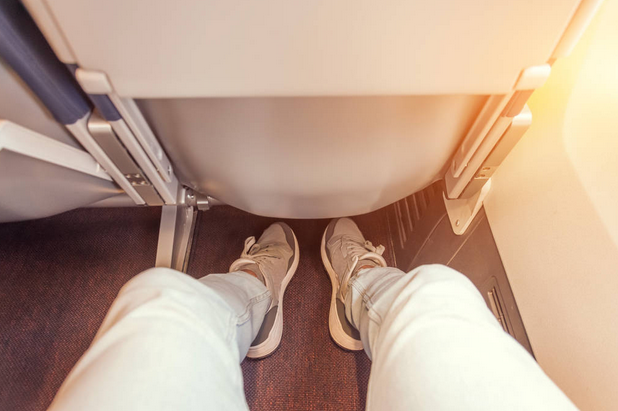
- Limited space: Economy seats restrict legroom, so your body stays in one position too long.
- Reduced circulation: Sitting still can slow blood flow, leading to swelling or even issues like Edema.
- Muscle stiffness: Your back, neck, and legs can tighten up after a few hours.
- Sleep disruption: It’s harder to rest properly sitting upright.
How to Prevent Swollen Legs While Traveling
1. Keep Moving
Try to stand up, stretch, or walk down the aisle every 1–2 hours. Even small movements help stimulate blood flow.
2. Do Simple Seat Exercises
Flex your ankles, rotate your feet, and gently stretch your legs while seated. These micro-movements make a big difference.
3. Stay Hydrated
Drink plenty of water and avoid excess caffeine or alcohol, as they can contribute to dehydration and worsen swelling.
4. Wear Compression Socks
Graduated compression stockings help improve circulation and reduce fluid buildup in your legs, especially useful on long-haul flights.
5. Choose Comfortable Clothing
Avoid tight clothes around your waist and legs that may restrict blood flow.
6. Elevate When Possible
If space allows, slightly raise your feet using a bag or footrest to reduce fluid accumulation.
When to Be Cautious
Seek medical advice before traveling if you:
- Have a history of blood clots or DVT
- Recently had surgery
- Are pregnant
- Have heart or circulation issues
If you notice symptoms like severe leg pain, redness, or swelling that doesn’t go away, consult a doctor immediately.
Travel Smart, Feel Better
A little preparation goes a long way. By staying active, hydrated, and mindful of your posture, you can significantly reduce the risk of swollen legs and enjoy a more comfortable journey from takeoff to landing.
What to do if legs are already swollen?
If your legs are already swollen after travel, don’t ignore it but don’t panic either. In most cases, it’s temporary and settles within a day or two with the right care.
1. Elevate Your Legs
Lie down and raise your legs above heart level for 15–30 minutes. This helps fluid move back toward your upper body and reduces swelling.
2. Get Moving (Gently)
A short walk or light activity improves circulation and helps your body reabsorb excess fluid. Avoid sitting or standing still for long periods right after your journey.
3. Stay Hydrated
Drink plenty of water. It sounds counterintuitive, but proper hydration helps your body flush out retained fluid.
4. Wear Compression Socks
If swelling is noticeable, compression stockings can support blood flow and reduce discomfort for a few hours after travel.
5. Try a Cool Compress
Applying a cool cloth to your legs can ease discomfort and reduce inflammation.
6. Reduce Salt Intake
Too much salt consumption is especially not good when you are taking up on a long haul flight. Too much sodium can worsen fluid retention. Stick to lighter, balanced meals until swelling improves.
7. Breathing
Diaphragmatic breathing is one of the most effective techniques you can use while seated. It’s easy, calming, and surprisingly impactful.
Just place your hands on your lower ribs, inhale slowly through your nose, and exhale just as gently. Try a rhythm of four counts in and six counts out. Within a few breaths, you’ll likely notice your body starting to relax and unwind.
Looking for something a little more structured? Try box breathing, a technique that uses equal timing for each phase: inhale for 4 seconds, hold for 4, and exhale for 4, and hold again for 4. It’s great for both focus and relaxation.
Exercises to do on the plane
There are few simple yet effective exercises that will help your swollen legs to feel normal. You can try toe raises. Simply lift your heels with your feet on the floor. About 2 to 3 sets of 10 repetitions are fine. Other movements are:
- Foot Circles – Stretch and relax your ankles by rotating one foot at a time. Do several circles in one direction, then switch. It’s a great way to keep stiffness away.
- Knee Lifts – Lift your knees alternately without leaning back. Keep your core engaged and go for 2 to 3 sets of 5 reps to stay active even while seated.
- Seated Cat Pose – Bring some flow into your spine by rounding your back as you exhale, then opening your chest as you inhale. It’s a refreshing mini stretch right in your seat.
- Pelvic Rocking – Shift your weight by lifting one side of your hips and then the other. This gentle movement helps relieve pressure and keeps your lower body from feeling tight.
Conclusion
Rest, elevate, hydrate, and move this simple combination usually brings relief within 24 to 48 hours. Your body just needs a little help getting circulation back to normal.
Swollen legs after travel are common and usually harmless, caused by sitting for long periods and reduced circulation. The key is to respond early, elevate your legs, stay hydrated, and keep your body gently moving to restore normal blood flow.